


Quirky, fun, and a little unusual, we are the unwanted castoffs from the fruit tree. Our appearance may surprise you, but inside we are sweet as pie and just as tasty and nutritious as you’d except an apple or pear to be.
In America, as much as 30% of all apples and pears grown don't make the cut, abandoned for cosmetic reasons.
It’s what’s inside that counts!
Our Story
As much as 30% of sweet and delicious apples and pears are set aside for cosmetic reasons, never reaching the produce section of your grocery store. These pieces of fruit are perfect inside, but may have a few unsightly bumps, blemishes or defects on the outside making their skin less attractive.
Usually, these "quirky" fruits are sold to commercial wholesale companies that are able to remove the skin and use the sweet flesh inside in juices, apple sauce or baked goods. We know there are wise shoppers who appreciate that looks aren't everything. CMI Orchards is proud to deliver a way for everyday shoppers to also take advantage of this great opportunity to enjoy great quality, discounted imperfect fruit.
There are myriad ways to enjoy quirky apples and pears. Whether you're baking, juicing or peeling and slicing your fruit for snacking, once the outer layer is removed a beautiful piece of fruit is revealed inside. Just as sweet, juicy and delectable as Mother Nature intended.
Give I'm Perfect™ apples and pears a try and remember, beauty is in the eye of the beholder.
Beautifully imperfect. Perfectly delicious.
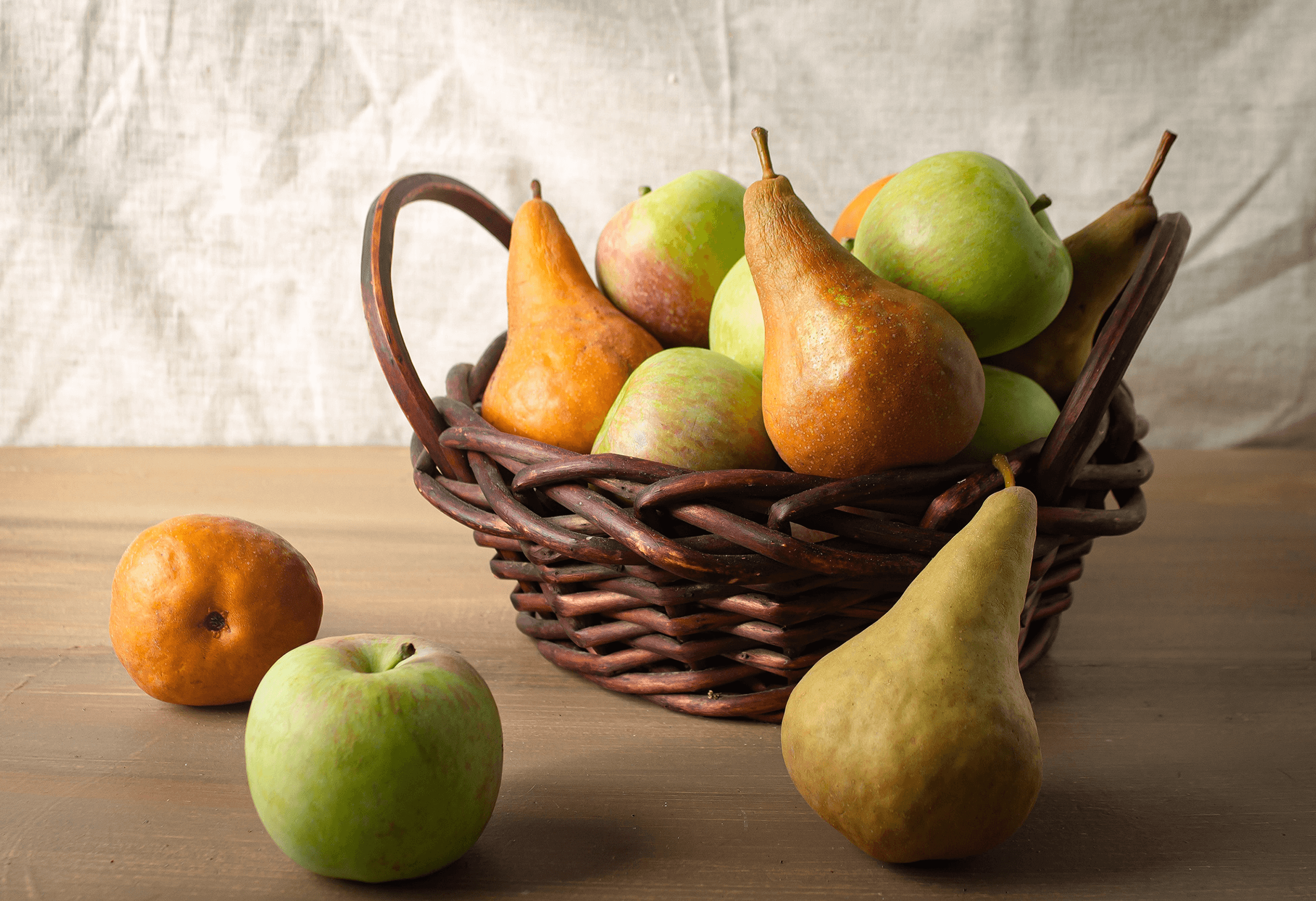
Does blemished fruit taste any different?
You shouldn't judge a book by it's cover.
Inside, our apples and pears are just as tasty as a regular piece of fruit. They may look a little gnarly, but don't let their looks deceive you.
Special Reports on
Food Waste
Natural Resources defense council
In 2012, the Natural Resources Defense Council released a special report titled: "Wasted: How America Is Losing Up to 40 Percent of Its Food from Farm to Fork to Landfill."
"Given all the resources demanded for food production, it is critical to make sure that the least amount possible is needlessly squandered on its journey to our plates.....By increasing the efficiency of our food system, we can make better use of our natural resources, provide financial saving opportunities along the entire supply chain, and enhance our ability to meet food demand."
USDA
"This report provides the latest estimates by USDA’s Economic Research Service (ERS) on the amount and value of food loss in the United States. These estimates are for more than 200 individual foods using ERS’s Loss-Adjusted Food Availability data. In 2010, an estimated 31 percent or 133 billion pounds of the 430 billion pounds of food produced was not available for human consumption at the retail and consumer levels. This amount of loss totaled an estimated $161.6 billion, as purchased at retail prices. For the first time, ERS estimates of the calories associated with food loss are presented in this report. An estimated 141 trillion calories per year, or 1,249 calories per capita per day, in the food supply in 2010 went uneaten. The top three food groups in terms of share of total value of food loss are meat, poultry, and fish (30 percent); vegetables (19 percent); and dairy products (17 percent). The report also provides a brief discussion of the economic issues behind postharvest food loss."
“Give ugly produce some love”
"Picture-perfect fruits and vegetables may look good on Instagram, but their not-so-shapely peers will taste just as good. (And will be just as nutritious!) www.EndFoodWaste.org estimates that up to 20 percent of produce is wasted because of cosmetic reasons. Lots of disfigured produce gets tossed before it even makes it to most supermarkets and grocery stores, so show your support for the uglies by shopping at local farmers markets. Even better: Be an ugly activist by tagging your quirky food photos #loveuglyfood."








Our Programs


